




 Send Inquiry
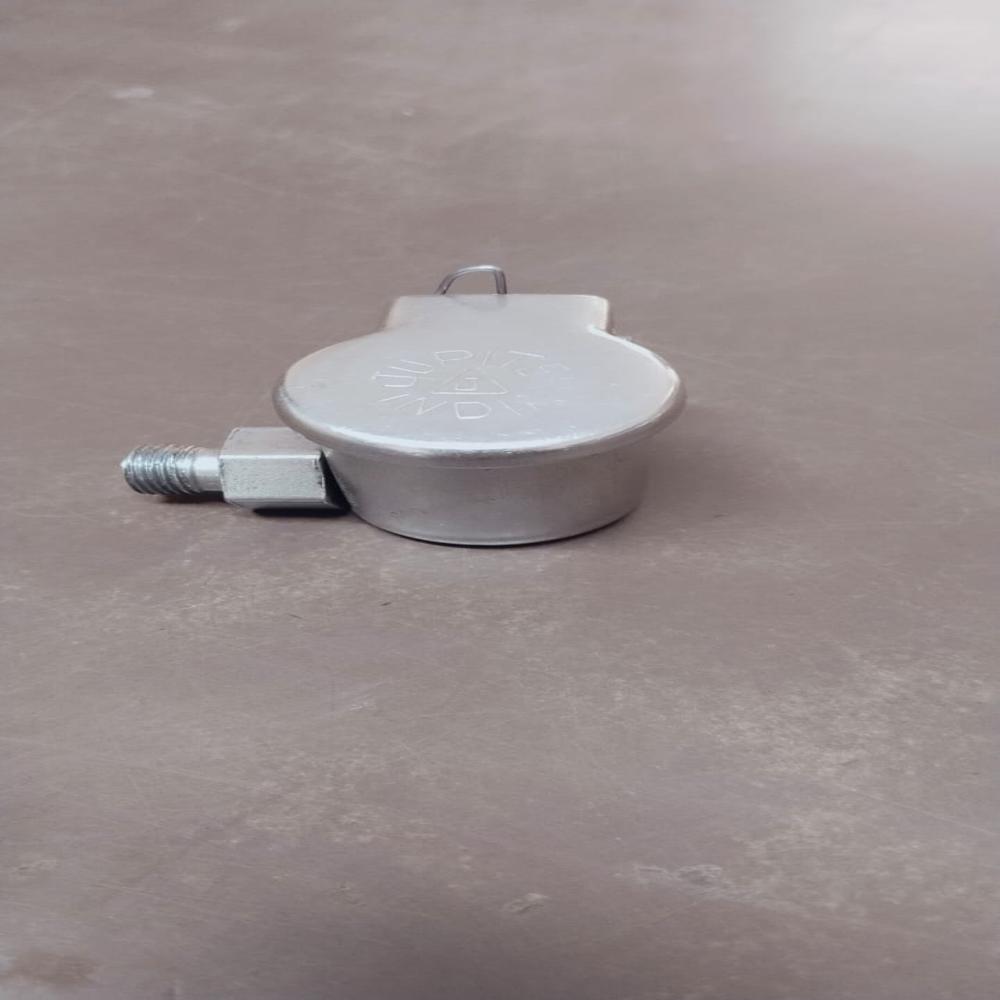
OIL CUP
Price 15.0 INR/ Unit
OIL CUP Specification
- Surface Treatment
- CHROME
- Technology
- use as a lubricant delivery system for machinery, which can range from simple gravity-fed designs to automatic or specialized cups
- Usage
- to provide controlled, slow lubrication to moving parts in machinery, which reduces friction, prevents wear, and enhances equipment longevity
- Type
- ST/ELBOW
- Material
- STEEL
- Size
- 1/2'' TO 2''
- Product Type
- CUP
- Color
- SILVER
- Function
- to store and deliver a controlled amount of lubricant to mechanical parts to reduce friction and wear.
- Application
- to store and deliver a controlled amount of lubricant to mechanical parts to reduce friction and wear.
OIL CUP Trade Information
- Minimum Order Quantity
- 100 Units
- Payment Terms
- Cash Advance (CA), Cash in Advance (CID), Cheque
- Supply Ability
- 1000 Units Per Day
- Delivery Time
- 1 Hours
- Sample Available
- No
- Sample Policy
- Sample costs shipping and taxes has to be paid by the buyer
- Packaging Details
- BOX
- Main Domestic Market
- All India
About OIL CUP
- Lubrication: Oil cups deliver a consistent supply of oil to bearings and other moving parts to reduce friction and heat.
- Wear reduction: By maintaining proper lubrication, they help prevent wear and tear on machinery components.
- Contaminant protection: Some designs, like those with wicks, act as a filter, ensuring only clean oil is delivered to the machinery. Other types, like breather cups, use oil to trap dust and moisture.
- Material: Commonly made from materials like brass, mild steel, or stainless steel, chosen for durability and corrosion resistance.
- Lid: Many have a lid, sometimes with an insulated handle, to protect the oil from contaminants and to help contain it.
- Delivery mechanism: Different types use various methods to regulate oil flow:
- Wick-fed: A J-shaped wick acts as a siphon, drawing oil up and over the core to provide a slow, steady supply.
- Spring-loaded: Features on the lid and base help it to stay securely in place.
- Gravity-fed: The oil flows down from the reservoir to the lubricated part through an outlet.
- Design: Some are polished for a professional look and to prevent tarnishing, while others are designed for specific applications, such as incense-making machines.
- Installation: They are installed on machinery in accessible locations to allow for easy refilling and maintenance.
Superior Lubrication Control
The oil cup ensures machinery receives a steady, measured supply of lubricant right where it's needed. This contributes to smoother operation, minimizes unscheduled downtime, and reduces the risk of costly repairs. Its design is compatible with both standard and advanced lubrication systems.
Durable Steel with Chrome Finish
Constructed from robust steel and coated with chrome, this oil cup offers resistance to corrosion and wear. Its elegant silver hue not only enhances its look but also signals its high-quality, industrial-grade construction suitable for rigorous environments.
FAQ's of OIL CUP:
Q: How does the steel oil cup function in machinery lubrication?
A: It stores and delivers a controlled amount of lubricant directly to moving parts, using gravity-fed or specialized mechanisms, ensuring consistent lubrication and reducing friction and wear.Q: What are the main benefits of using a chrome-plated steel oil cup?
A: The chrome finish provides excellent corrosion resistance, extends the oil cup's lifespan, and ensures reliable performance, while the steel construction offers durability even in demanding industrial settings.Q: When should the oil cup be refilled or maintained?
A: The oil cup should be checked periodically during routine equipment maintenance and refilled as necessary to ensure uninterrupted lubrication of mechanical parts.Q: Where is the oil cup typically installed on machinery?
A: It is mounted near the moving components requiring lubrication, typically at lubrication points along bearings, gears, or joints, for optimal distribution of oil.Q: What is the typical process of using an oil cup in a lubrication system?
A: Fill the oil cup with the recommended lubricant, ensure it is securely attached at the appropriate location, and monitor the oil levels regularly for continuous operation.Q: Can this oil cup be used in automated lubrication systems?
A: Yes, the design accommodates both manual and automatic lubrication systems, allowing flexibility for use in various mechanical setups.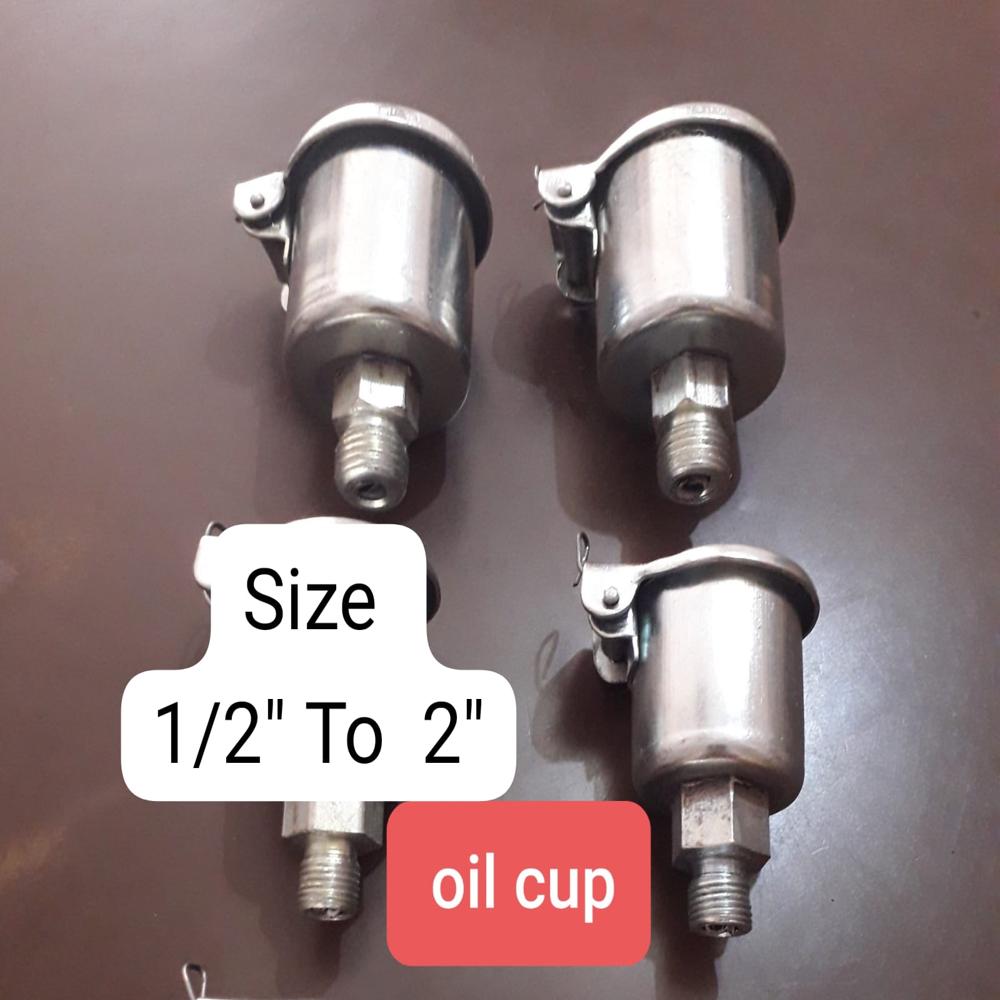

Price:
- 50
- 100
- 200
- 250
- 500
- 1000+

More Products in OIL CUP Category
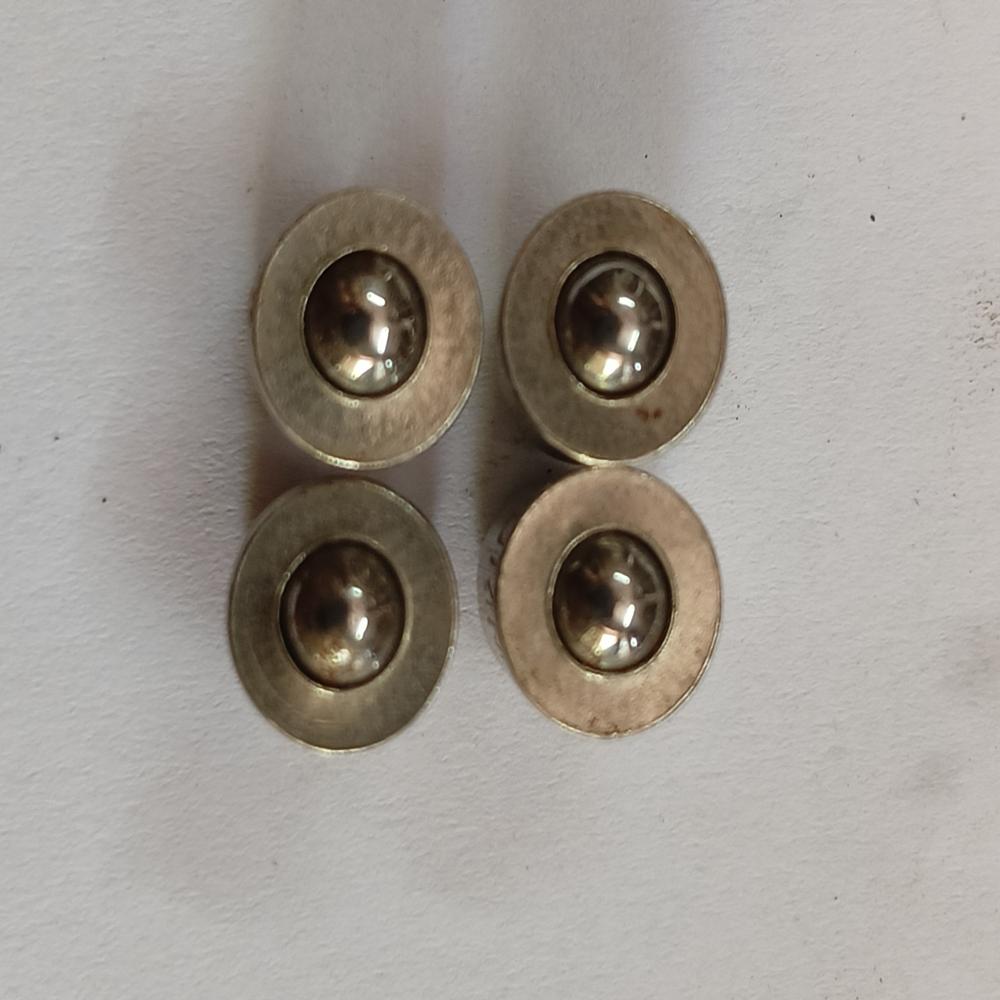
PBO (PRESS BUTTON OILER)
Price 2.0 INR / Piece
Minimum Order Quantity : 500 Pieces
Application : These are widely used in moving machinery that requires regular slide way or bearing lubrication, such as lathes, mills, grinders, and general automotive or workshop equipment.
Function : When you place the rounded nozzle of an oil can against the lubricator and press down, the pressure forces the springloaded ball inward.
Type : PUSH TYPE
Color : SILVER
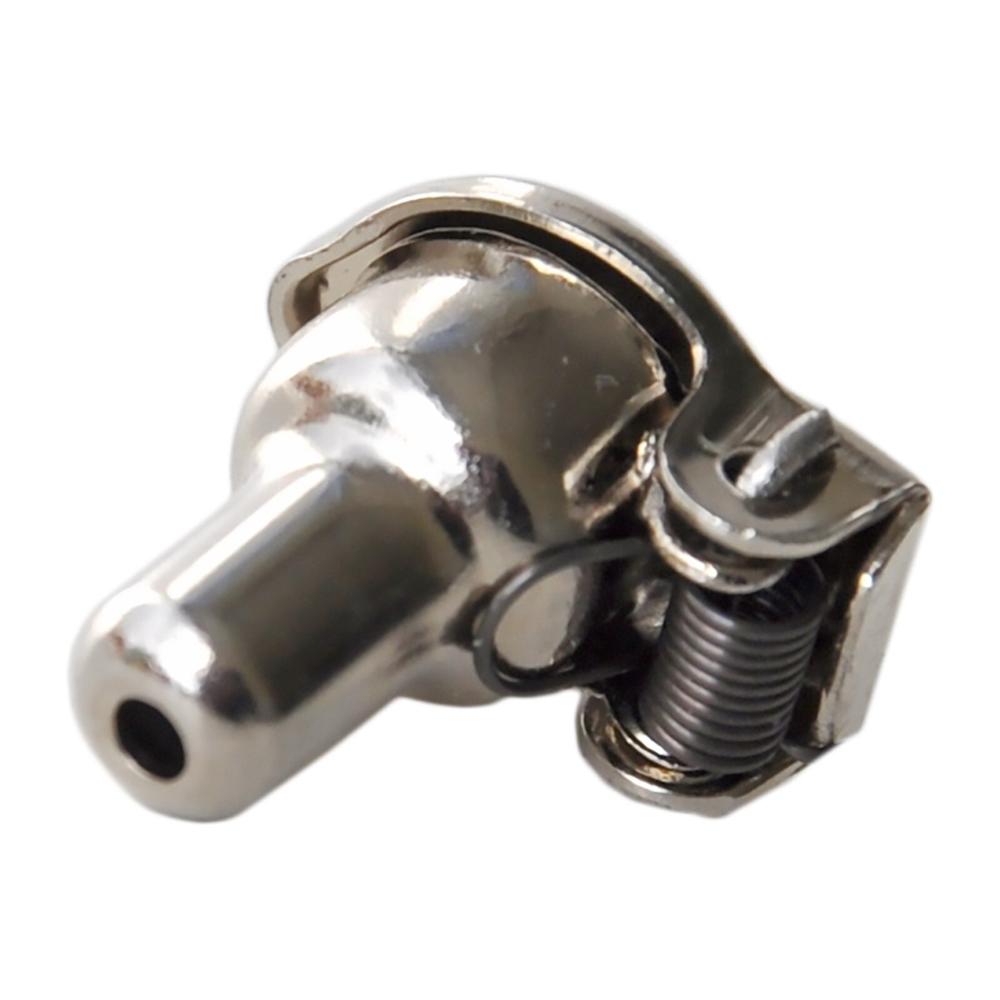
OHC (OIL HOLE COVER)
Price 2.0 INR / Unit
Minimum Order Quantity : 500 Units
Application : An Oil Hole Cover (OHC) is a protective mechanical accessory used to seal the lubrication points on motors and machinery.
Function : The primary function of an Oil Hole Cover (OHC) is to seal and protect the lubrication points of machinery, motors, and industrial components.
Type : OIL CP
Color : silver
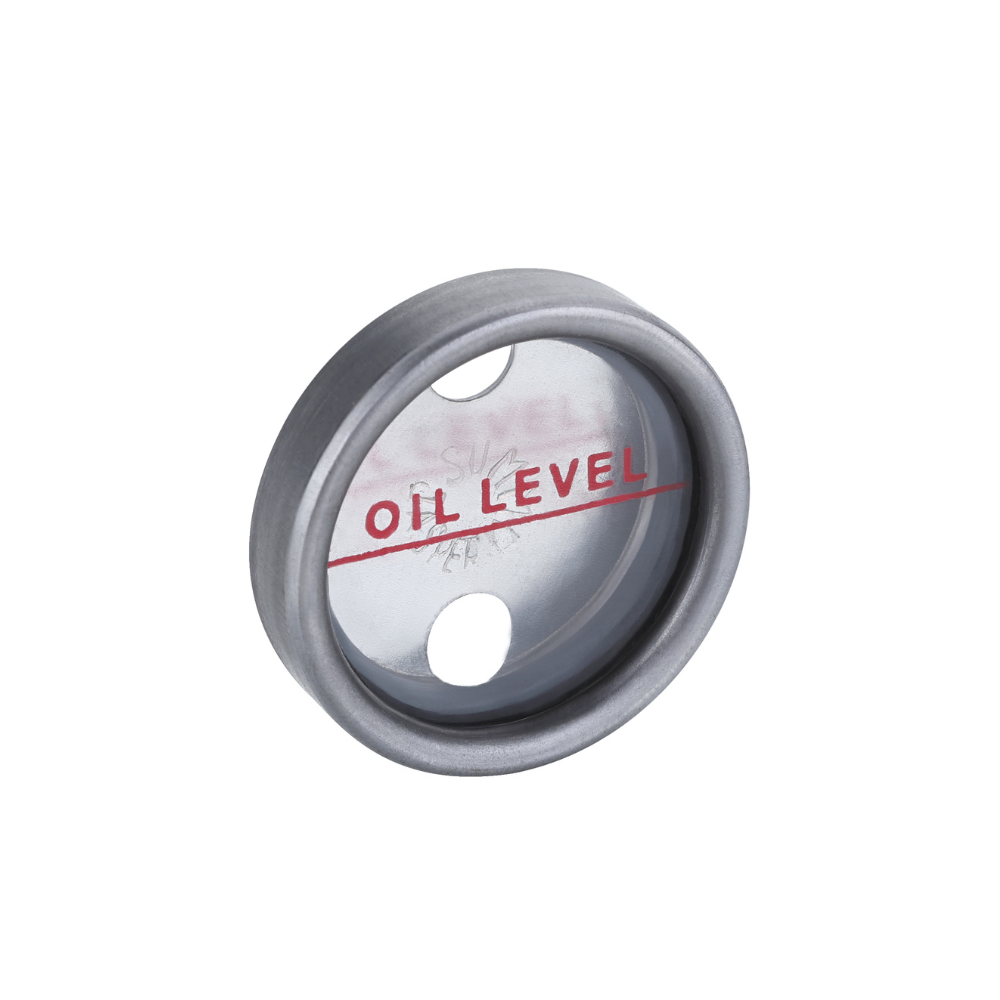
OIL LEVEL WINDOW
Price 10.0 INR / Unit
Minimum Order Quantity : 100 Units
Application : Industrial Gearboxes & Reservoirs,Hydraulic Power Packs
Function : a transparent indicator installed on machinery, engines, or hydraulic tanks
Type : ROUND OIL LEVEL
Color : STEEL




Contact Details
GST : 24BYYPB9683F1ZT

 Send Inquiry
 |
AVALON TRADERS
All Rights Reserved.(Terms of Use) Developed and Managed by Infocom Network Private Limited. |
